What if every district in India had its own sacred forest?
By the EasyForest teamUpdated 4 min read
At a glance
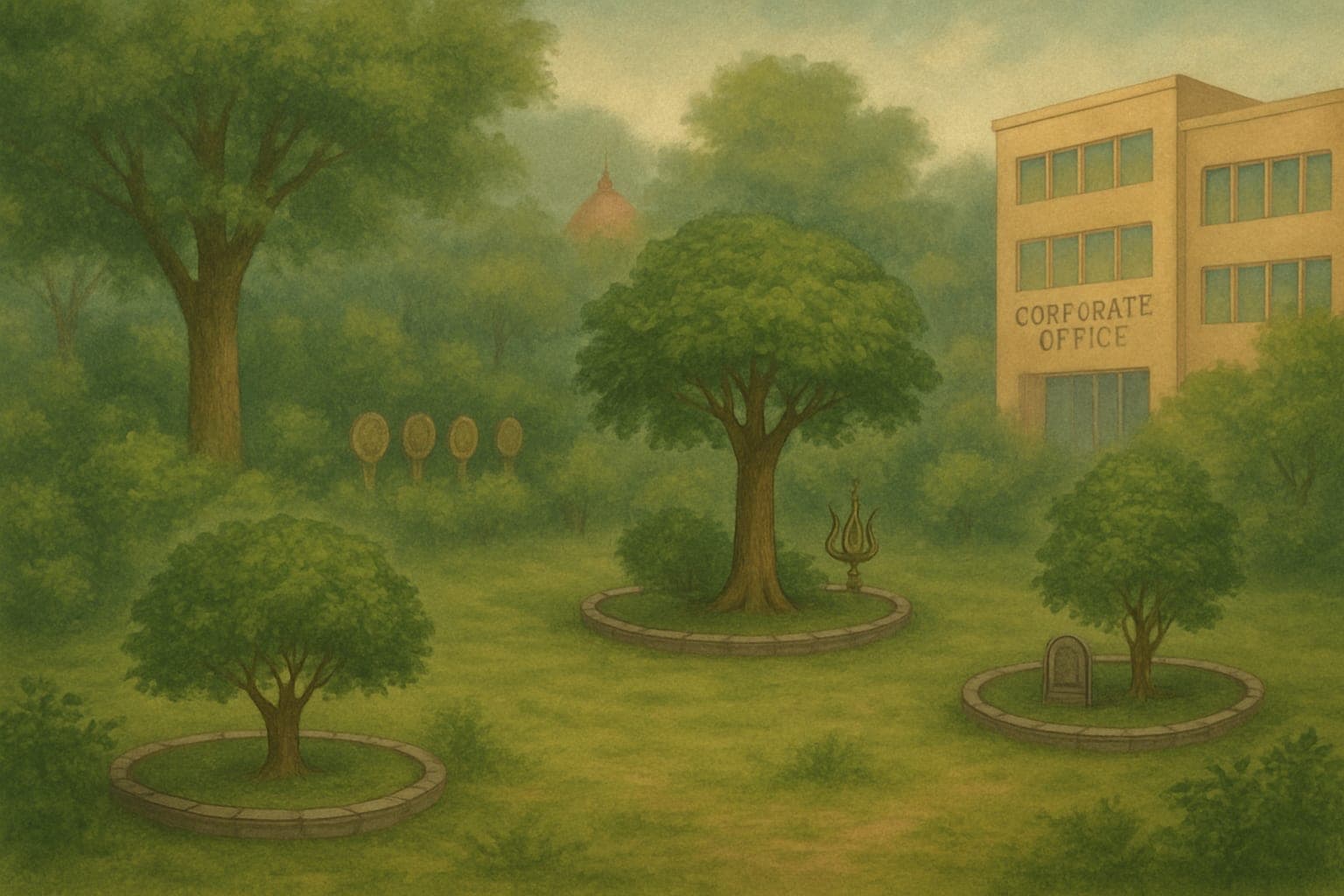
The idea is that each of India's 780 districts plants its own District Sacred Forest (Pavithra Vana), designed around its local deities and temples, its astrological identity and its soil, climate and native trees. That could be a Panchabootha Vana where there is industrial stress, a Panchavati Vana near homes, a Navagraha Vana near schools and colleges, or a Nakshatra Vana open to the public.
| Sacred forest | Where it fits |
|---|---|
| Panchabootha Vana | Districts with industrial stress |
| Panchavati Vana | Near residential areas |
| Navagraha Vana | Near educational institutions |
| Nakshatra Vana | Open to the public for meditation |
Introduction: A Seed of a Nation’s Soul
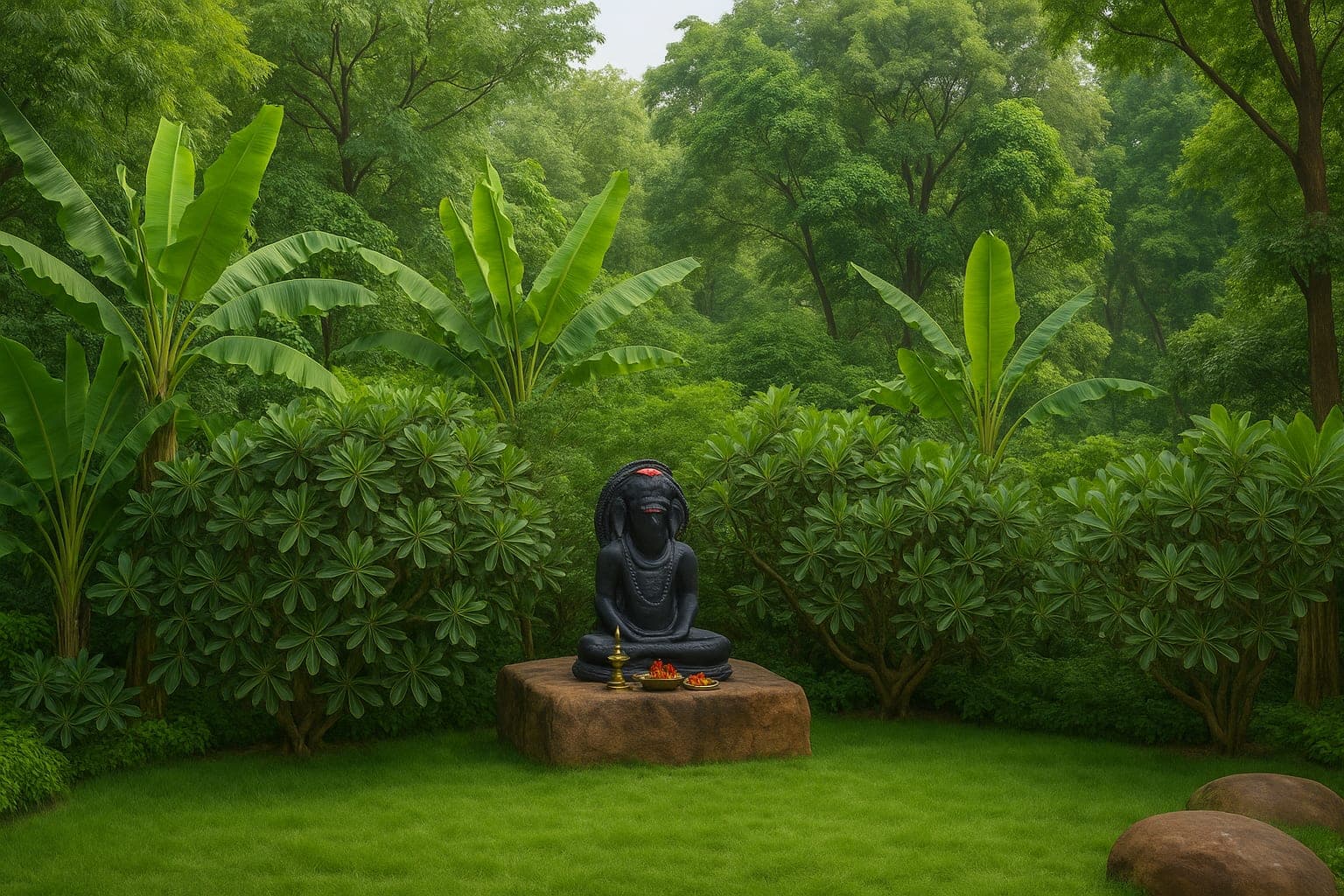
India is a land of districts—rich in dialects, faiths, landscapes, and legacies. Each district has its own deities, rivers, heroes, and temples. But what if… each one also had its own Pavithra Vana (Sacred Forest)?
Not a park. Not a botanical exhibit.
But a living, breathing spiritual ecosystem, rooted in ancient Indian wisdom and sustained by the people, planted with intention, blessed with purpose, and protected like a temple.
Sacred Forests: India’s Forgotten DNA
Long before we had maps and borders, we had vanas—groves dedicated to gods, goddesses, planets, the five elements, and celestial energies. These forests weren’t just religious—they were ecological, emotional, and educational centers.
From Panchavati in Ramayana to the Tapovan of the Mahabharata, forests were where:
- Sages meditated
- Medicines were grown
- Knowledge was passed on
- Communities healed
Imagine if each of India’s 780 districts revived this memory—not in textbooks, but in the soil itself.
What Would This Vision Look Like?
Every district in India, from Kanyakumari to Kashmir, could create a District Sacred Forest designed based on its unique:
- Cultural roots (e.g., local deities, festivals, temples)
- Astrological identity (Nakshatra Vanas based on ruling stars)
- Environmental needs (soil type, climate, native trees)
A Panchabootha Vana in a district with industrial stress.
A Panchavati Vana near residential areas.
A Navagraha Vana near educational institutions.
And a Nakshatra Vana open to the public for meditation and planetary healing.
Global Inspiration: If Japan Can, Why Not Us?
Japan has made Shinrin-yoku (forest bathing) a national health practice.
Singapore is planting therapeutic forests for mental well-being.
But India? We have something deeper — Dev Vriksha parampara — the divine tree tradition.
We don’t just walk in forests.
We fold our hands to them.
We worship the Peepal. We tie threads around the Banyan.
This reverence is our national character.
So why shouldn’t every District Collector be entrusted to protect not just files, but forests of faith?
Science Supports This Sacred Dream
Even without the spiritual angle, the benefits are undeniable:
| Benefit Type | Impact |
|---|---|
| Air Quality | Native trees purify the air naturally |
| Mental Health | Forests reduce anxiety, depression, and insomnia |
| Water Table | Sacred groves recharge groundwater and prevent erosion |
| Community Bonding | Collective tree planting improves civic pride |
| Climate Resilience | Dense forests buffer heat waves and heavy rains |
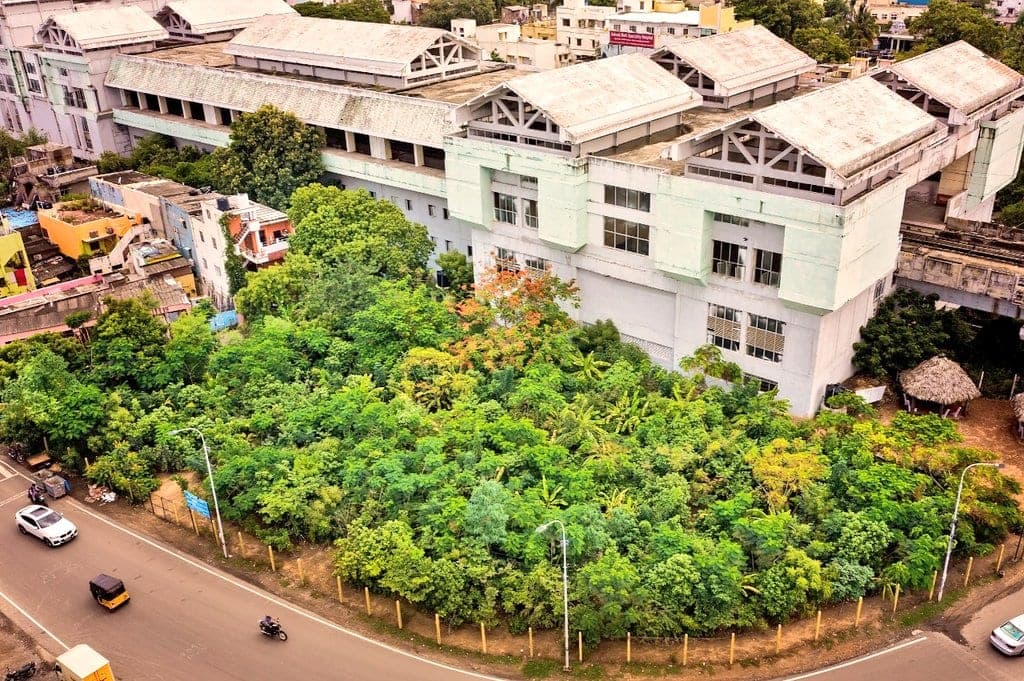
🧪 Indian Institute of Science (IISc) studies confirm that even 2-acre urban groves drastically improve microclimate and reduce PM2.5 levels.
A Vision Rooted in Our Scriptures
📜 Rig Veda (10.97.5): “Vanaspate, may you protect us as a father protects his children.”
📜 Manu Smriti: “The cutting of trees leads to disease and destruction.”
📜 Padma Purana: “He who plants a tree… becomes equal to ten sons.”
Rulers once declared groves as Devadana Bhoomi—land donated to the Divine.
Let today’s leaders gift each district its own forest legacy.
🕊️ Call to Action: The District Sacred Forest Movement
If you are a district administrator, temple trust, CSR manager, landowner, or a conscious citizen, the time to plant is now.
A temple is built once.
A sacred forest grows every day.
🌱 One sacred forest per district is not a dream.
It’s a revival.
It’s a mission for Bharat Mata.
📩 Contact EasyForest to design and implement your District Sacred Forest, blending tradition, technology, and ecology.
📍 See the Sacred Forests we plant or contact us
📞 Bring life, worship, and wellness back to your soil.
Questions people ask
What is a District Sacred Forest?
It is not a park or a botanical exhibit but a living spiritual ecosystem, planted with intention, sustained by local people and protected like a temple. Each one is designed around the district's cultural roots, astrological identity and environmental needs such as soil, climate and native trees.
Which sacred forest suits which place?
The post suggests a Panchabootha Vana in a district with industrial stress, a Panchavati Vana near residential areas, a Navagraha Vana near educational institutions and a Nakshatra Vana open to the public for meditation.
What are the practical benefits of a sacred grove?
Native trees purify the air, sacred groves recharge groundwater and prevent erosion, dense forests buffer heat waves and heavy rains, and planting trees together builds civic pride.
How is India's tree tradition different from forest bathing in Japan?
Japan has made Shinrin-yoku (forest bathing) a national health practice. India has the Dev Vriksha parampara, the divine tree tradition: people worship the Peepal and tie threads around the Banyan rather than only walking in forests.
Who can start a District Sacred Forest with EasyForest?
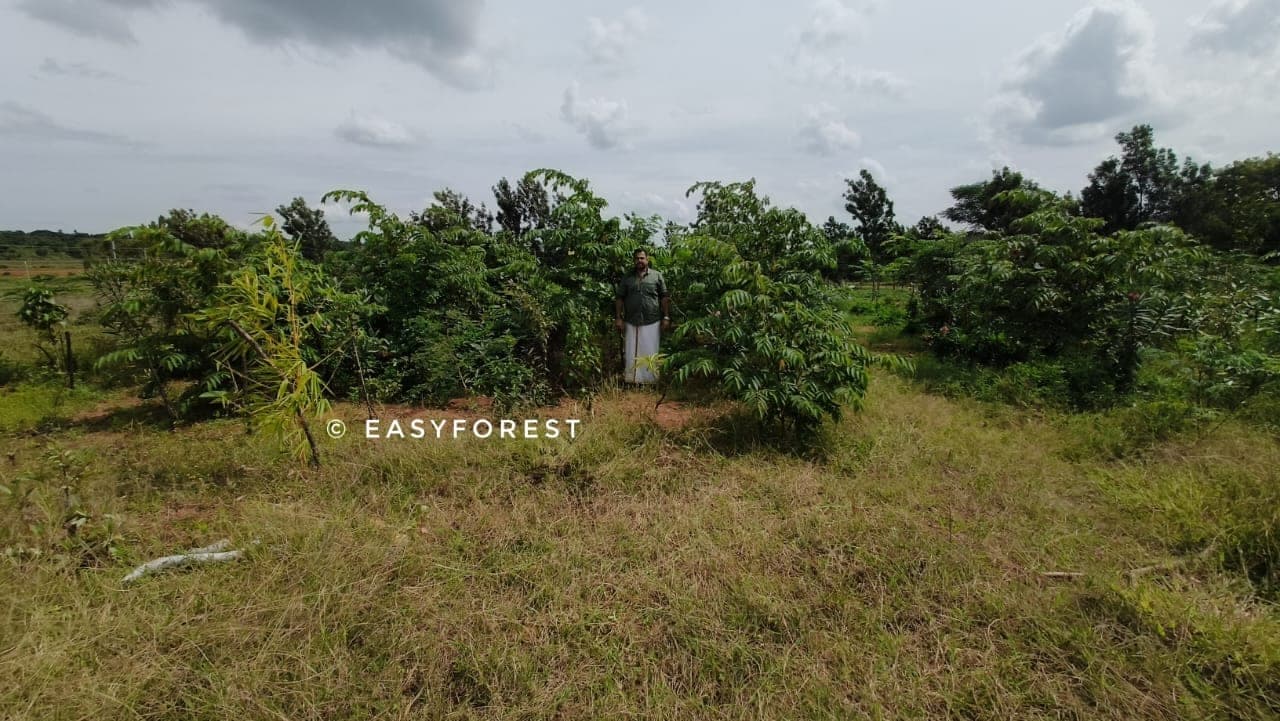
District administrators, temple trusts, CSR managers, landowners and citizens can ask EasyForest (KALPAVRIKSHA) to design and plant one. Since 2017 EasyForest has planted 20,000 native trees in 16 districts across 3 states; call or WhatsApp +91 87543 03296.